What Makes a Vintage Watch Worth Collecting? A Dallas Dealer's Perspective
There's a moment that happens almost every week at our shop in Dallas. Someone walks in with a watch that belonged to their father or grandfather, sets it on the counter, and asks the question everyone asks: "Is this thing worth anything?"
Sometimes the answer surprises them. A beat-up watch from the 1960s with a faded dial might be worth more than a pristine modern piece that cost twice as much at retail. Other times, a watch that looks impressive turns out to be a common reference with limited collector interest. The difference between the two comes down to a handful of factors that most people outside the watch world never think about.
Originality Is Everything
The single biggest driver of value in a vintage watch is originality. Collectors want to know that the dial, hands, movement, and case are all factory correct for that specific reference and production year. A watch that's been "restored" with replacement parts, even well-intentioned service replacements, can lose a significant portion of its value overnight.
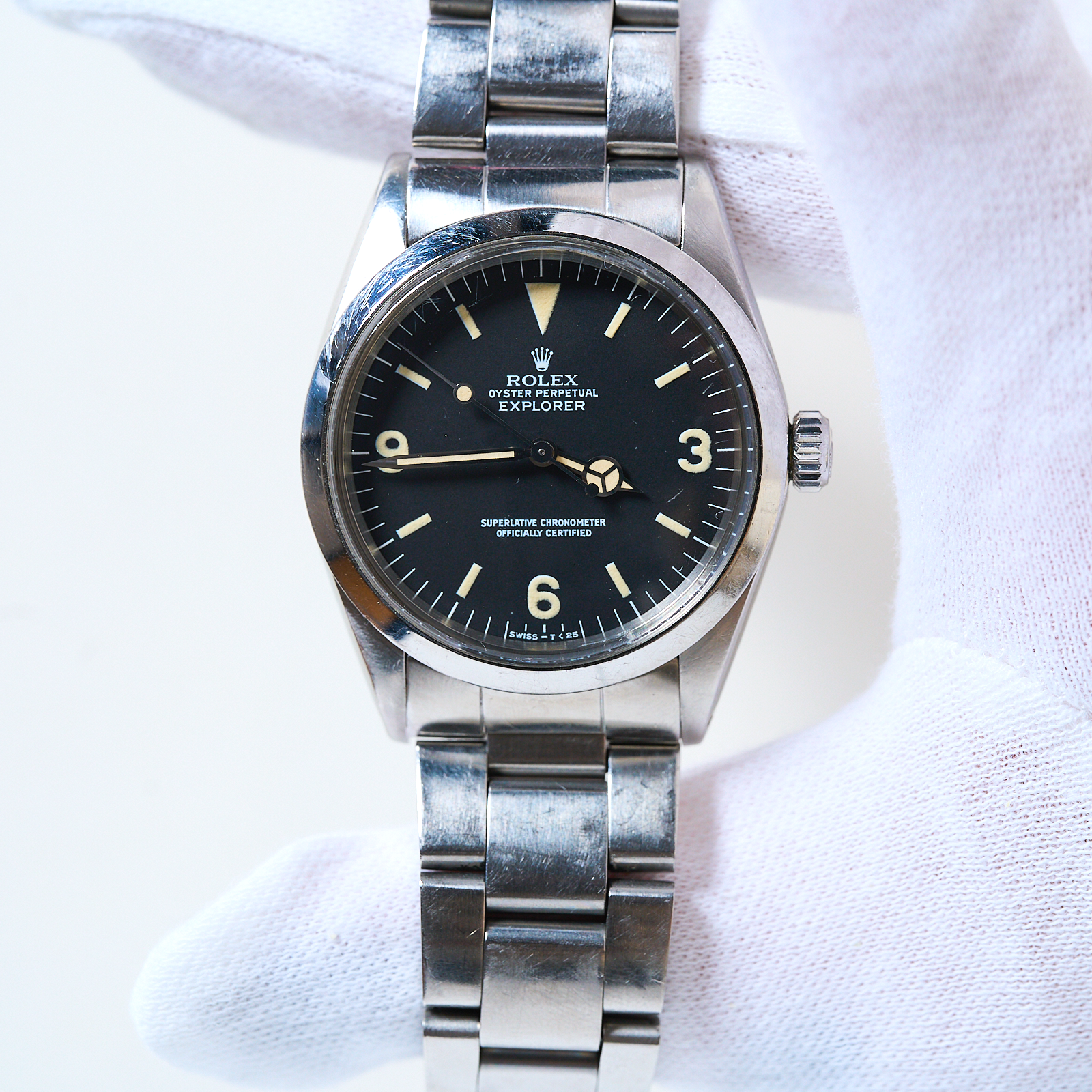
This is especially true with dials. A vintage watch with its original dial showing natural aging, what collectors call a "patina," is almost always more desirable than one that's been refinished to look new. Those imperfections tell a story, and serious collectors are willing to pay for that story.
The Full Set Premium
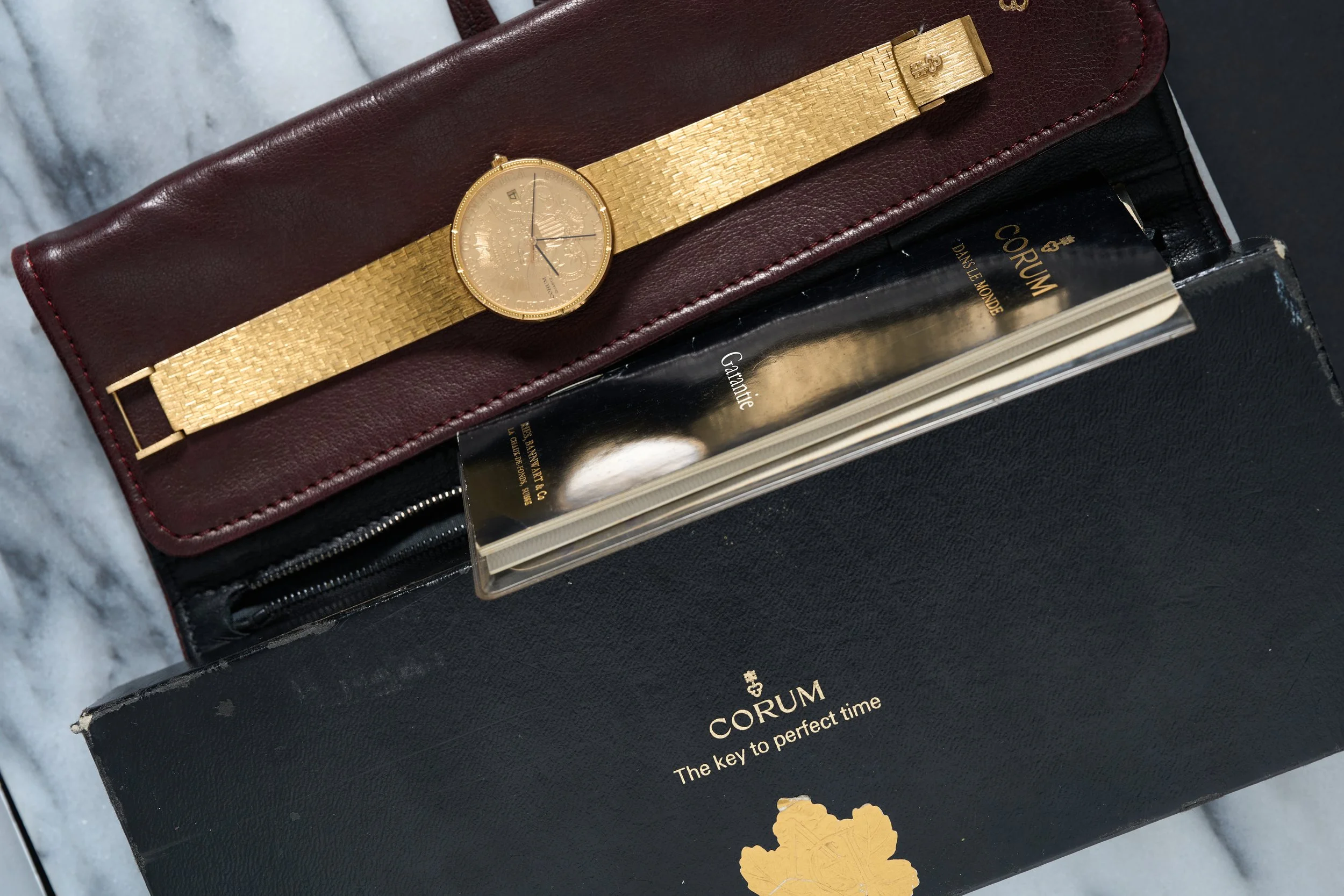
If you have the original box, papers, warranty card, hang tags, and any accessories that came with your watch, you're sitting on what the market calls a "full set." And full sets from vintage periods command a serious premium over the watch alone.
Think about it from a collector's perspective. Finding a 50-year-old watch in good condition is hard enough. Finding one where someone also kept the original box and paperwork in their closet for half a century? That's rare. And rarity drives price.
We've seen cases where the complete set sells for 30 to 50 percent more than the same watch without its original packaging. For certain references, that gap is even wider.
Reference Numbers Matter More Than Brand Names
Most people think about watches in terms of brand. But within any given brand, the range in value between references can be enormous. Two watches from the same manufacturer, made in the same decade, can differ in value by tens of thousands of dollars based on the specific reference number, dial configuration, or case material.
This is where working with a knowledgeable dealer matters. The details that separate a common vintage watch from a highly sought-after one are often invisible to someone outside the collecting world. A slightly different bezel insert, a specific hand style, or a dial variant produced for only one year can be the difference between a few hundred dollars and a five-figure watch.
Condition Tells the Full Story
Condition goes beyond whether the watch "works." Collectors evaluate the sharpness of the case edges (has it been over-polished?), the integrity of the crown, the quality of the crystal, and whether the movement has been serviced with correct parts. Even the weight of the bracelet links can indicate whether pieces have been lost or replaced over the years.
A watch in honest, unpolished condition with signs of genuine wear is often more valuable than one that's been aggressively cleaned up for resale. The market rewards originality, even when it comes with scratches.
Why Now Is a Good Time to Evaluate What You Have
The vintage watch market has grown significantly over the past decade, driven by younger collectors entering the space and a broader cultural appreciation for mechanical craftsmanship. References that were overlooked five years ago are now commanding strong prices at auction and in private sales.
If you have vintage watches sitting in a drawer, a safe deposit box, or an old jewelry box you inherited, it's worth knowing what you have. You don't need to sell. But understanding the current market value puts you in a better position whether you decide to hold, insure, or eventually let them go.
At Avior Jewelry in Dallas, we evaluate vintage watches every day. No appointment necessary, no pressure, and no cost for the conversation. Walk in with your watch and walk out knowing exactly where you stand.